


That might be the more interesting question coming out of our latest conversation on Making AI Work for People with Dr. Kenneth Matos. ⌛
Because automating a task doesn't automatically create a better job.
AI can draft the response faster...but someone still has to check the exception. It can eliminate repetitive work...but leave employees with a day made up entirely of the hardest, most cognitively demanding tasks.
It can create capacity...but if the immediate response is simply "great, now do more," did we actually improve work?
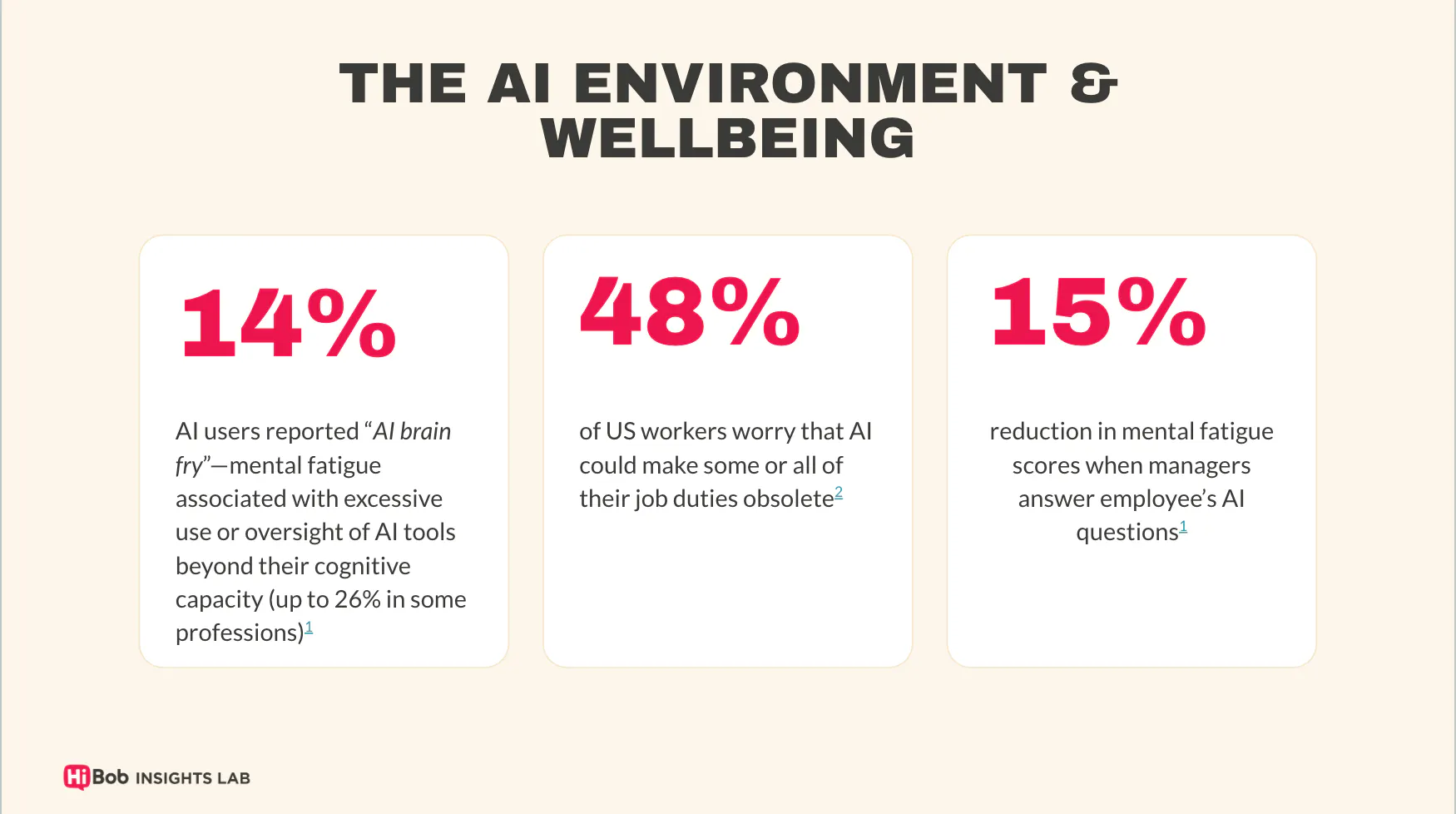
The data suggests we're still figuring this out:
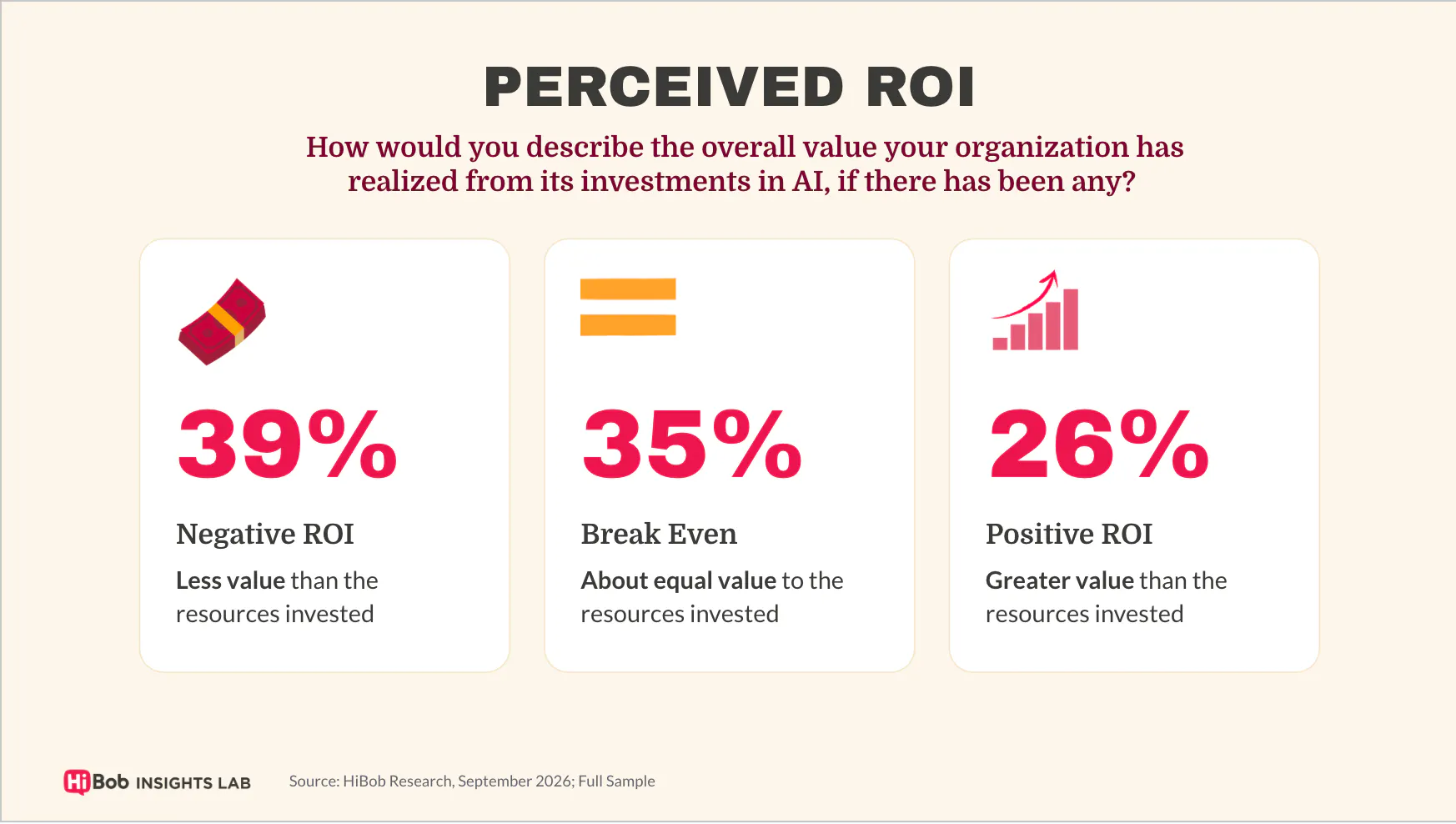
🔹 Only 26% of organizations surveyed say they're realizing more value from AI than the resources they're investing.
🔹 Just 15% of US HR executives say workflows are consistently being redesigned around the capabilities of people + AI.
🔹 Meanwhile, 37% name employee wellbeing and career insecurity as a priority AI workforce challenge.
One idea from the session has really stuck with us:
AI should make us as fast as humans can be. It shouldn't create pressure for humans to be as fast as AI.
So let's keep the webinar conversation going here.
👇 When AI gives your team time back, what should happen to that time?
Vote here, then tell us why in the comments. And if your organization has actually redesigned a role or workflow around AI, we'd especially love to hear what changed.