


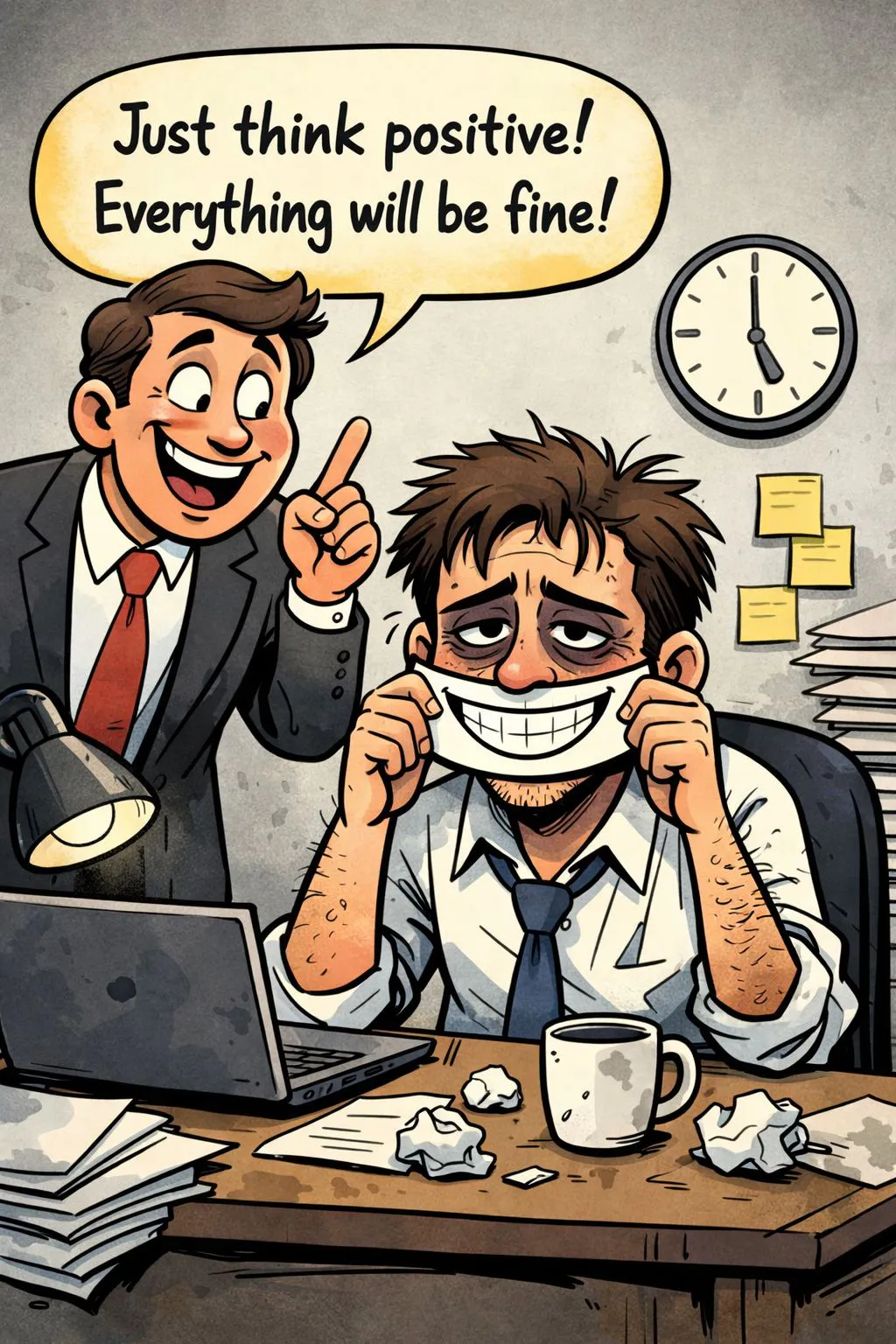
Modern workplaces often involve high levels of stress: deadlines, difficult management decisions, toxic communication, and constant pressure. Over time, this can seriously affect a person’s psychological balance. In these situations, advice like “just think positive” or “just rest” is often not enough.
Many companies offer physical wellness programs such as sports, yoga, or fitness activities. These are helpful, but it’s important to recognize that sometimes they are not enough, especially when stress becomes chronic and drains a person’s energy and resilience.
That is why the approach to mental health should be holistic and practical.
On a personal level, support can include:
• rest and recovery
• therapy or mindfulness practices
• taking care of physical health
• nutritional support such as vitamins, supplements, herbs, or when necessary medications under professional supervision
It’s important to understand that supplements, vitamins, and medical support are not a sign of weakness. They can be a normal part of prevention and recovery. In many cases, they help the body restore balance more effectively.
At the same time, strong medications are not always the first step when someone is experiencing temporary or transitional stress. Often, balanced support and proper care for the body can help recovery in a gentler way.
But responsibility should not fall only on the individual.
Leaders and organizations should take employee mental health seriously:
creating healthy work cultures, reducing toxicity, providing access to professional support, and helping people restore their energy and wellbeing.
Because when mental health is ignored, it doesn’t only affect people, it affects the effectiveness of the entire organization.
Healthy people build healthy teams.
And healthy teams build sustainable companies.